A Drawn Pink Heart Embroidery Design Review
When I pull a new embroidery design onto my screen, my first thought isn't about the files—it's about the stitch. How will this look when the needle hits the fabric? Today, I’m looking at Drawn Pink Heart, a design that’s landing right in my queue for Valentine’s Day projects, but honestly, its appeal feels wider than just a single holiday.
The Sketchy Charm of a Hand-Drawn Heart
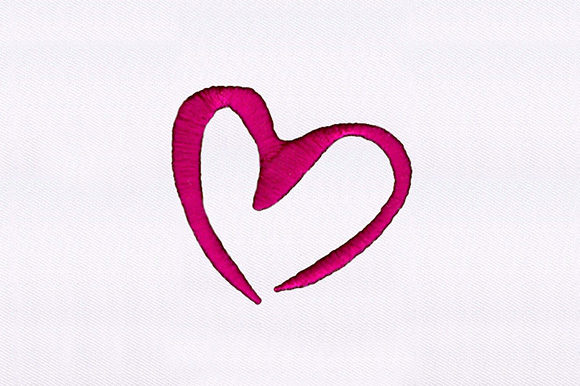
The first impression of Drawn Pink Heart is its personality. It isn't a rigid, geometric heart; it has that sketched, casual feel. It suggests a handwritten note, a doodle in a margin. That loose, slightly irregular outline creates a mood of authenticity and warmth. It doesn't scream "romance"; it whispers "thoughtful." This visual style makes it incredibly versatile. It feels handmade already, which is perfect for crafters and small business owners whose brand is built on that personal touch.
I’m picturing this stitched onto a natural canvas tote bag. The sketched lines would complement the fabric's texture, creating a product that feels cohesive and intentionally crafted, not just stamped with a graphic. For an Etsy seller offering personalized baby items, this heart on a little cotton sweatshirt would look soft and gentle, avoiding the harshness a more formal design might bring to a nursery outfit.
Where This Heart Finds Its Home
This design’s aesthetic naturally leads it to certain projects. It’s a strong candidate for personalized gifts and small shop merchandise where emotion is part of the product. Think anniversary pillow covers, kitchen towels for a bridal shower, or a simple patch sewn onto a denim jacket as a sweet, understated accent. Its drawn style lends itself to printable mockups for digital product sellers, as it clearly conveys a handmade, embroidered look even in a preview image.
For commercial embroidery on items like boutique aprons or promotional caps, it offers a friendly, approachable branding element. It's recognizable without being corporate. However, its success hinges entirely on execution. On a curved surface like a cap, the design's open, sketchy nature could work well, as it's less likely to have dense fill areas that might pucker on the curve.
Careful Considerations for Stitching Success
While the design is charming, its application requires some practical forethought. The "drawn" look likely relies on clean running stitch or satin stitch outlines. On textured fabrics like some sweaters or bag fabrics, those lines need to be distinct enough to hold their shape. I would be cautious using it on very thin or stretchy fabric without excellent stabilizer, as any skew in the outline would distort that hand-drawn feel.
A key test is contrast. On dark fabric, the chosen pink thread must have enough pop. A pale pink might get lost, undermining the design's clarity. This is where testing on scrap fabric is non-optional. Hoop size is another critical check. While the provided embroidery file formats list is extensive (including PES, JEF, DST, etc.), the actual dimensions aren't stated. Before loading it for a client’s baby blanket, I need to confirm the design's physical size fits my intended hoop and the product's scale. A heart too small might lose its sketched detail; too large, it could become overly sparse.
The Impact on Your Product and Your Customer
Using a design like Drawn Pink Heart effectively boosts a product's perceived value. It conveys care. A customer receiving a custom embroidered sweatshirt with this heart sees the artistry in the imperfect lines—it aligns perfectly with the handmade presentation. That builds customer trust. It tells them the item wasn't mass-produced.
For a creative entrepreneur, this design can enhance brand consistency if your shop's vibe is soft, personal, and artistic. It’s highly giftable. It doesn't require a specific "Valentine's Day" label; it can be a gift for a friend, a mother, a newborn. That versatility increases its utility in your catalog.
A Designer's Practical Notes Before Hooping
My process before committing this to a final project always involves a few steps. First, a stitch-out on similar scrap fabric. I look at the stitch density in any filled areas. Is it appropriate for the fabric I'm using? I also inspect the smallest details—are there tiny corners or intersections in the sketch that might need slight adjustment in my machine settings?
I run it through both light and dark background printable mockups to gauge appeal. Crucially, I verify the licensing terms for this digital embroidery file. Can I use it for commercial embroidery projects and sell the finished tote bags or baby clothes? That confirmation is essential for any business use. The wide format support (from ART to VIP to XXX) suggests good machine compatibility, but I always recommend checking your specific format against the list before purchase.
Final Thoughts: A Design with Emotional Resonance
Drawn Pink Heart succeeds because it offers more than a shape; it offers a feeling. In a market saturated with perfect vectors, its imperfect, human quality stands out. For apparel decorators, it’s a subtle accent. For craft fair sellers, it’s a quick-to-produce item with strong emotional pull. For hobbyists making a gift, it feels personal from the moment you select the thread.
The real test, as always, is in the stitch. With proper stabilizer, thoughtful fabric choice, and a test run to ensure its sketched lines translate clearly into thread, this design can elevate a simple item into something special. It reminds us that in machine embroidery design, sometimes the most powerful asset isn't complexity, but character.