Ambulance Car Lineart Embroidery Design Review
As an embroidery designer preparing for a weekend craft fair, every design in my lineup gets a practical review. Today, I’m looking at the Ambulance Car Lineart Design from the perspective of turning it into sellable, handmade products. My goal is to assess its visual appeal, production feasibility, and potential to catch a customer’s eye from across a bustling market booth.
First Impression: A Bold, Modern Graphic with Niche Appeal
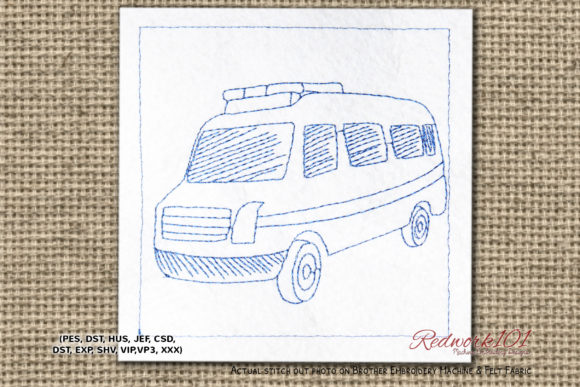
The Ambulance Car Lineart Design presents itself as a clean, graphic illustration. It feels modern and bold, leaning towards a minimalist decorative style rather than cute, rustic, or funny. This is a design with a clear, specific audience. It’s not a generic floral motif; it speaks directly to individuals in emergency services, their families, supporters, or those with a professional interest in transportation. That focused appeal is a strength for a craft fair product, as it can create an immediate, emotional connection for a specific buyer walking past your table.
Where This Design Stands Out in a Booth Display
Imagine a table filled with embroidered tote bags, aprons, tea towels, caps, and small pouches. A design like Ambulance Car Lineart Design needs the right canvas to shine. It would stand out most on products where the graphic can be the clear focal point.
Tote bags and market bags offer a large, flat surface perfect for this as a central, statement design. Embroidered patches are another natural fit, appealing to those wanting to display the emblem on a uniform, backpack, or jacket. On aprons or tea towels, it might feel less cohesive unless specifically targeting a kitchen with a medical professional. However, on a pillow cover in a child’s room or a supporter’s home office, it could become a cherished decorative item. The key is to place it on products where its subject matter is contextually appropriate, which amplifies its perceived value.
Practical Production for the Busy Maker
From a production standpoint, a lineart design like this is often a friend to the embroidery business owner. Assuming the file is well-digitized, the lines should translate into clear stitch paths.
You must consider stitch density, especially if the design includes filled areas or that optional box stitch mentioned. On textured fabrics like towels or thick canvas for tote bags, denser areas require the right stabilizer to prevent puckering. For curved surfaces like caps, test it first on scrap fabric; a design with many straight lines can sometimes distort on a curved hoop. The design’s clarity at smaller sizes is crucial. If you plan to make small patches or accents on pouches, ensure the linework doesn’t become a blur of tiny stitches. Always, always create at least one real physical mockup on your intended fabric before batch production. Check thread contrast, especially if using dark fabrics; a bright, contrasting thread color will make the Ambulance Car Lineart Design pop.
Critical Checks Before Selling Any Product
- Test the embroidery file on scrap fabric identical to your final product fabric.
- Review the spacing and alignment to ensure it looks centered and balanced on your chosen item.
- Confirm the hoop size needed matches the products you intend to produce.
- Inspect stitch density on your mockup—does it look clean or is it too dense for the fabric?
- Use the correct stabilizer for the fabric texture (e.g., tear-away for towels, cut-away for bags).
- Compare how the design looks on different fabric colors; it may sell best on white, black, or navy.
- Absolutely confirm commercial licensing for the digital embroidery file before selling finished products.
Selling Power and Customer Engagement
At a craft fair, products that tell a story engage buyers. The Ambulance Car Lineart Design has an inherent story. It can attract a first responder who appreciates the recognition, a parent buying a gift for a paramedic child, or a collector of transportation-themed decor. This design increases product value by feeling personalized and niche, which often justifies a higher price point than a generic pattern.
For online sales, such as an Etsy listing, it photographs well. A clean lineart design against a solid fabric background looks sharp in product photos and printable mockups. For brand consistency, if your small shop focuses on professional or transportation themes, this design fits perfectly. In a booth display, having one prominently featured item, like a tote bag with this embroidery, can act as a magnet for that specific audience, drawing them into your table to see your other work.
Final Designer Advice for Craft Fair Success
The Ambulance Car Lineart Design is a strong candidate for a targeted product line. Its success hinges on matching it with the right product and presenting it clearly. Focus on items where it can be the hero: a well-made tote bag, a high-quality patch, or a decorative pillow cover. For batch production, its repeatability is good, as it’s likely a straightforward embroidery file without excessive color changes or minute details, provided you’ve done your fabric and stabilizer testing.
Remember, the optional box stitch and the note about the outer box color mean you have customization options. You can skip that color to simplify production or use it to frame the design for added impact. This flexibility is valuable. Ultimately, in the handmade market, designs that resonate personally sell. This ambulance design has that potential. Produce it with care, display it with pride, and it will likely find its way to a customer who truly values it.