Banana Rasp Snail: A Unique Bug Embroidery Review
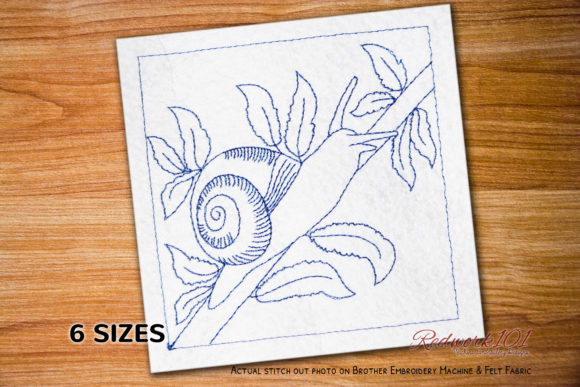
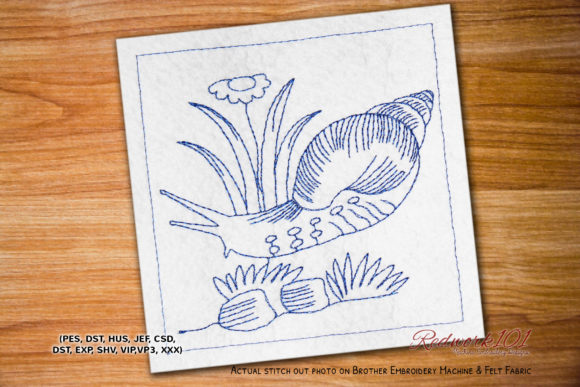
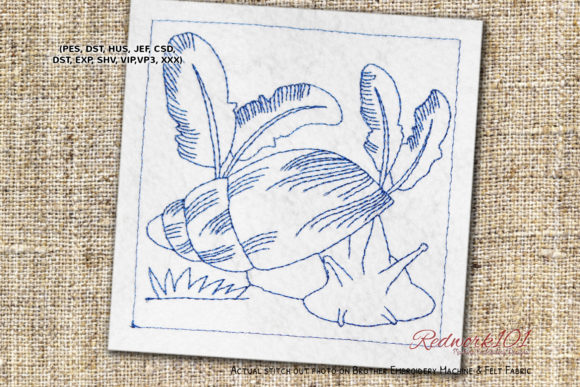
As I prepare designs for a weekend craft fair, the Banana Rasp Snail Redwork embroidery file immediately stands out. This isn’t a generic bug design. The combination of "banana," "rasp," and "snail" suggests a playful, whimsical character. My first impression is that this design leans toward cute and decorative, with a touch of the quirky humor that often catches a customer's eye in a bustling handmade market. The note about the optional Box Stitch and the variable outer box color tells me this is a flexible design, which is perfect for adapting to different products and fabrics.
Selling Potential at a Craft Fair Booth
When I imagine my table display—filled with embroidered tote bags, aprons, tea towels, and pillow covers—I consider where Banana Rasp Snail Redwork would shine. Its quirky name and subject matter make it a natural conversation starter. On a busy market bag or a simple apron, this design would function as a focal point, drawing customers in for a closer look. It feels like a design that would appeal to someone looking for a gift with personality, something beyond a typical floral or geometric pattern.
For small shop products, the key is versatility. This bug design could scale beautifully. As a large, central motif on a pillow cover, it would feel bold and decorative. Reduced in size, it could become a charming accent on the corner of a tea towel or the flap of a fabric pouch. The optional box stitch mentioned in the description is interesting; it could frame the snail, giving it a more finished, illustrative look on products like embroidered patches or caps, or you could skip it for a cleaner, more modern feel on minimalist tote bags.
Practical Production for Handmade Products
Turning a digital embroidery file into a stack of sellable craft fair products requires practical thinking. The description hints at important considerations: the box color is often different and can be skipped. This directly impacts thread colors and production speed. For batch production, fewer color changes mean faster stitching and higher output. I would test skipping the box on my first samples to see if the core snail design holds its own.
Critical embroidery designer notes come to mind immediately. Before committing to a production run, I must:
- Test the design on scrap fabric matching my intended products.
- Check thread contrast against both light and dark fabric backgrounds.
- Review the design’s stitch density, especially in any dense areas of the snail or rasp details, to ensure it works on textured towels or thick fabric like bag canvas.
- Confirm the appropriate hoop size and use the correct stabilizer for each fabric type.
- Create at least one real mockup—a finished tea towel or pouch—to judge the handmade quality in person.
Photography for Etsy listings and printable mockups is crucial. A design with small, intricate details can lose clarity in online photos. I would need to ensure my product photos highlight the texture and charm of the stitches, making the Banana Rasp Snail look tangible and premium.
Product-Specific Performance and Buyer Engagement
Let’s evaluate how this design performs on specific craft fair products.
On tote bags and market bags, this design offers a strong visual identity. It’s not a generic logo; it’s a story. That increases perceived product value. On apron embroidery, positioned near the pocket or waist, it becomes a fun surprise for the wearer and an eye-catcher for buyers at the booth.
Tea towel embroidery is a staple. Here, the design must be resilient. The optional box stitch might add a nice border, but I’d be cautious of very tiny details that could get lost after washing or on a textured linen. A clean snail silhouette might be more practical.
For embroidered patches, the design is ideal. Its unique character makes it a stand-alone item customers might buy to customize their own gear. For caps, stitching on a curved cap surface is tricky. I would test a smaller version to ensure the design contours well without distortion.
Smaller items like fabric pouches or pillow covers are perfect giftable handmade items. The whimsical theme supports brand consistency if your shop leans toward playful, nature-inspired themes. In a booth display, mixing products featuring this same design—a bag, a towel, a patch—creates a cohesive, strong collection that tells a buyer you’ve curated a specific look.
Final Considerations Before the Fair
The Banana Rasp Snail Redwork design has clear selling potential for creative entrepreneurs. Its uniqueness drives customer attention. To maximize that, my final steps are about diligence.
I must compare how it looks on different fabric colors—does it pop on navy? Is it soft on cream? I need to understand if it works as both a small and large design, ensuring I can offer a range of products. Most importantly, I must confirm commercial licensing for the digital embroidery file before selling any finished products. The product description doesn’t specify license terms, so that is an absolute prerequisite.
By addressing these points—testing thoroughly, choosing the right products, and photographing it well—Banana Rasp Snail Redwork can transform from a clever machine embroidery design into a standout product that engages buyers, enhances my booth’s appeal, and ultimately, sells.