Why This Golfer Rat Embroidery Design Works for Boutique Apparel
As an embroidery designer planning a new collection, I’m constantly looking for designs that tell a story and connect with a specific audience. When I saw the Bucktooth Rat Golfer Design on Creative Fabrica, it immediately struck me as a piece with strong character. It’s not just another generic sports motif; it’s a playful, slightly irreverent character with a very specific vibe. For boutique apparel decorators targeting a niche market—perhaps golfers with a sense of humor, or fans of quirky animal illustrations—this design has real potential.
The Visual Personality for Your Garments
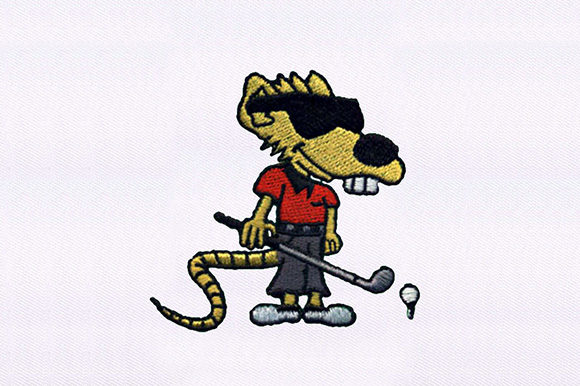
First impressions matter. The Bucktooth Rat Golfer Design leans heavily into a playful and bold aesthetic. The exaggerated bucktooth detail gives it a cute, almost cartoonish charm, while the golfing posture adds a layer of narrative. This isn’t a minimalist or classic design; it’s decorative and attention-grabbing. For a small clothing brand, that’s valuable. It can act as a signature piece on a sweatshirt or hoodie, creating a garment that feels like a statement rather than just another basic.
On a neutral heather grey sweatshirt, the design would pop with clean contrast. On a pastel hoodie, like a soft mint or lavender, it would adopt a more whimsical, cheerful mood. Stitched onto a dark garment, such as a black denim jacket or deep navy tee, it becomes a bold, graphic focal point. The detail level appears robust enough to look premium from a customer’s perspective, especially when paired with quality thread and proper stabilizer choice.
Planning Your Apparel Placement Strategy
The success of any machine embroidery design on finished products hinges on thoughtful placement. For the Bucktooth Rat Golfer Design, I envision several strong applications for your handmade business.
Sweatshirt and Hoodie Chest Placement
This is the most natural home for this design. On the left chest of an oversized sweatshirt or a classic hoodie, it creates a perfect, branded look. The size and detail seem suited for this area, offering good visibility without overwhelming the garment. It’s ideal for lifestyle product photos and printable mockups for your Etsy listings.
Sleeve Accents and Back Designs
For a more dramatic approach, consider scaling it up for a full back design on a sweatshirt. This could work wonderfully for a cozy, seasonal outfit meant as a standout piece. As a smaller accent on a sleeve, it could complement a simpler chest logo, adding depth to a custom apparel line.
Tote Bags and Denim Jackets
Beyond sweatshirts, think about lifestyle products. Embroidered on a canvas tote bag, this design would translate beautifully, leaning into a rustic, handmade product feel. On a denim jacket pocket or back yoke, it adds that personalized, boutique brand touch that customers seek.
Where to Exercise Careful Application
Even with a charming design, practical embroidery designer notes are crucial. Based on the visual density, there are areas where you should proceed with caution.
Small Chest Placement on Thin Tees: If you plan to use it on a lighter t-shirt, ensure the stitch density isn’t too high for the fabric. A very dense area on stretchy, thin cotton can lead to puckering or fabric distortion.
Dark Garments and Thread Contrast: On black or dark fleece, you’ll need to plan your thread color contrast carefully. Light or bright threads will make the bucktooth rat golfer stand out, but test on scrap fabric first to see how the details render.
Stretchy and Ribbed Fabrics: Fleece and ribbed cuffs on hoodies have more texture and stretch. A good, appropriate stabilizer is non-negotiable here to keep the design crisp and prevent wrinkles in the stitching.
Curved Surfaces and Tiny Details: The design appears to have some finer details (like the club and facial features). When hooping curved areas like sleeve seams, ensure your hoop size and technique secure the fabric perfectly to maintain stitch integrity.
Building Brand Identity and Customer Engagement
For creative entrepreneurs, a design like this isn’t just a decoration; it’s a tool. The Bucktooth Rat Golfer Design has a distinct personality that can help shape your brand’s identity. If your boutique brand leans into playful, sports-themed, or animal-centric themes, this embroidery file can become a recognizable part of your visual consistency.
Using it across a coordinated collection—say, on sweatshirts, tote bags, and maybe even beanies—builds product recognition. In your Etsy shop or social media graphics, these consistent products foster buyer trust and professional presentation. Customers engage with brands that have a clear, cohesive style, and a strong character design like this can be a cornerstone of that.
Essential Pre-Production Steps for Your Shop
Before you run this design on a dozen hoodies for your small shop, take the standard professional precautions. These steps protect your investment in time and materials.
- Always test on scrap fabric identical or similar to your final garment fabric. Check for stitch density issues and overall appearance.
- Review stabilizer choice based on your fabric—cutaway for stretchy sweatshirt fleece might be necessary.
- Confirm the hoop size needed. While the Creative Fabrica product details list an impressive range of embroidery file formats (including PES, JEF, DST, and others), the specific stitch count and recommended hoop size are details you must verify on the product page before production.
- Inspect the design in your machine software. Look at the color stops and plan your thread palette. Does the bucktooth rat golfer need a specific color for maximum effect?
- Compare placement options on an actual garment or a mockup. Sometimes a design looks different centered versus offset.
- Finally, and vitally, check the Creative Fabrica product details and licensing for this digital embroidery file before selling finished apparel. Ensure your use for commercial embroidery products is clearly covered under the license provided.
Incorporating the Bucktooth Rat Golfer Design into your boutique apparel line requires a blend of creative vision and technical diligence. Its unique character offers a path to creating garments that feel special and targeted, perfect for decorators looking to move beyond generic designs. With the right application and preparation, it can elevate a simple sweatshirt into a memorable, engaging product for your customers.