Happy Fathers Day Lineart: Craft Fair Product Review
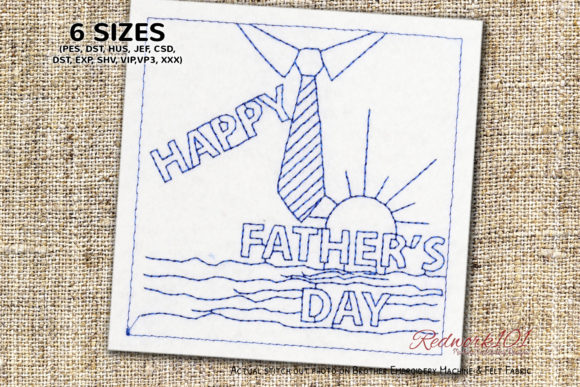
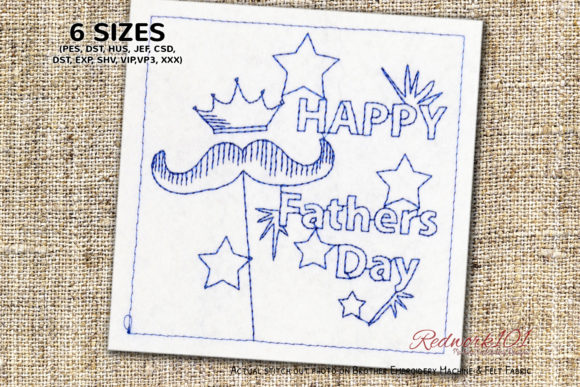
When I first pulled up Happy Fathers Day Lineart on my screen, I immediately felt that this design belongs in a thoughtfully curated Father's Day collection at a weekend craft fair booth. It is not overly loud or cartoonish. Instead, it carries a clean, minimal, and slightly rustic charm that appeals to customers who want something heartfelt without being cheesy. The word lineart in the title tells me exactly what to expect. Bold outlines, open spaces, and a design that breathes well on fabric. This is the kind of design that stops a shopper mid-stride because it looks hand-drawn, intentional, and personal.
For anyone selling handmade products, a design like Happy Fathers Day Lineart solves a real problem. Many Father's Day machine embroidery designs lean too heavily on clip-art style graphics or overly sentimental fonts. This one, based on the title and description, feels like it was made for modern farmhouse displays, rustic kitchen textiles, and understated gift items. The optional Box Stitch mentioned in the product notes adds flexibility. You can frame the lettering with a clean stitched border, or skip it entirely for a more open, airy look. That choice alone makes this embroidery file more versatile across different product types.
First Impressions at the Booth Table
Imagine walking past a craft fair table and seeing a crisp linen tea towel with Happy Fathers Day Lineart stitched in a deep charcoal thread. The lineart style catches the eye because it is not overfilled. It leaves room for the fabric to show through, which is exactly what customers shopping for handmade gifts tend to appreciate. The design feels modern yet warm, not cold or mechanical. The outer box, when used, frames the message beautifully. But the description clearly states that the box color varies across designs unless it is part of the design itself, and you can skip that color stop directly. That is a small but important detail. It means you can easily adapt the look to match your thread palette without fighting unnecessary color changes.
From a display perspective, this design works best when it is part of a coordinated Father's Day collection. Pair it with a few other masculine but soft designs, and suddenly your booth tells a story. Customers see a matching apron, a tote bag, and a pillow cover, all carrying the same clean lineart aesthetic. That visual consistency builds trust and increases the perceived value of your handmade products.
Where Happy Fathers Day Lineart Shines Brightest
Not every machine embroidery design performs equally well across all product types. After years of testing designs for craft fairs, I have learned to match the design to the product rather than forcing it. Here is where Happy Fathers Day Lineart genuinely excels.
Tote Bags and Market Bags
A sturdy canvas tote bag with this design stitched near the center or slightly off-center creates an instant gift item. The lineart style holds up well on medium-weight cotton canvas. The open areas prevent the fabric from becoming too stiff, which is a common complaint with dense embroidery on tote bags. Customers picking up the bag will feel the softness of the fabric around the stitching, and that tactile experience matters at a craft fair. The optional box stitch frames the design nicely on a flat tote panel, but skipping it gives a more casual, handwritten feel that many shoppers prefer.
Aprons and Kitchen Textiles
An apron embroidered with Happy Fathers Day Lineart on the chest area becomes a Father's Day gift that feels both practical and sentimental. The design is easy to understand at a glance, which is critical when aprons hang on hooks at a booth. A shopper walking by needs to read the message in under two seconds. The clean lineart lettering delivers that readability. For tea towels, I recommend using a smooth cotton or linen blend rather than heavily textured terry cloth. The fine lines of a lineart design can lose clarity on thick, nubby fabric surfaces. A flour sack towel, however, lets the stitches sit beautifully on top without sinking in.
Embroidered Patches and Small Pouches
If you create standalone embroidered patches for customers to sew onto jackets, caps, or backpacks, this design works well at a moderate size. The key is to avoid shrinking it too much. Small lettering, especially in a lineart style, can close up and become difficult to read. I would test the design at no smaller than three inches wide for a patch. For fabric pouches and zipper bags, the design fits nicely on the front panel and adds a giftable touch that feels premium without being overly complicated to produce.
Caps and Curved Surfaces
Embroidering on caps introduces challenges with any design, and Happy Fathers Day Lineart is no exception. The curved surface of a baseball cap can distort straight lines and box frames. If you plan to offer this design on caps, I strongly recommend testing the placement on a scrap cap first. The optional box stitch may look slightly warped on a curved crown, so skipping it or adjusting the placement lower on the cap front might be the better choice. The lettering itself, being lineart, should hold up better than a dense fill design, but always check thread tension and hoop positioning before committing to batch production.
Practical Production Notes for Sellers
As someone who has ruined more than a few blanks by skipping the test stitch step, I cannot stress this enough. Test on scrap fabric first. The lineart nature of this design means that stitch density is likely lighter than a full fill design, but you still need to verify how the stitches lay on your chosen fabric. Use a quality cutaway stabilizer for garments and a tear-away for flat items like tea towels. For textured towels, a water-soluble topper prevents the stitches from sinking into the pile and disappearing.
Thread contrast is another critical factor. A dark thread on a light fabric makes the lineart pop beautifully. But if you switch to a dark fabric, the design may need a lighter thread to maintain visibility. Before committing to a full production run for your Etsy shop or craft fair inventory, test at least one real mockup on the exact fabric and thread combination you plan to sell. Photograph that mockup. The photo you take becomes your product listing image, your social media post, and your booth sample all in one.
Here are some production reminders I keep for every new embroidery file I review:
- Check the hoop size requirement before purchasing the design. Verify it fits your machine's largest hoop if the design runs wide.
- Inspect stitch density on the first test stitch. If the design pulls too much or puckers the fabric, adjust your stabilizer or thread tension.
- Review spacing between letters and lines. Lineart designs depend on clean, open gaps for readability.
- Confirm the thread color sequence. The description notes that the outer box color is optional and can be skipped directly.
- Create at least one finished product sample before listing anything online or packing for a fair.
- Compare the design on different fabric colors. A design that looks stunning on cream may look completely different on navy or charcoal.
How the Design Photographs for Etsy and Online Listings
One of the most overlooked aspects of choosing a machine embroidery design for your small shop is how it photographs. Happy Fathers Day Lineart has a distinct advantage here. The clean lines and open spaces create a high-contrast image that reads well even in thumbnail size. When shoppers scroll through Etsy listings, your product photo needs to communicate the design clearly in a split second. Busy, heavily filled designs can look muddy in small photos. A lineart design, by contrast, stays crisp and legible. This is a huge plus for digital sellers and handmade shop owners who rely on strong product photography to drive sales.
For your printable mockup or lifestyle photo, I recommend styling the finished product with simple, masculine props. A leather notebook, a wooden pen, a coffee mug, or a folded flannel shirt in the background. Keep the focus on the embroidered design. The minimalist nature of lineart pairs well with natural textures and neutral tones, which happen to be exactly what performs well on Pinterest and Instagram for Father's Day gift content.
Batch Production and Craft Fair Repeatability
When you are preparing for a craft fair, repeatability matters. You need designs that stitch out consistently without constant troubleshooting. A lineart design, assuming the digitizing is solid, tends to run faster than dense fill designs. Fewer stitches mean less thread used, less time per item, and less wear on your machine. If you are producing twenty tea towels or fifteen tote bags for a weekend booth, those time savings add up. Happy Fathers Day Lineart feels like a design you can batch efficiently once you have your settings dialed in.
That said, pay attention to the tiny details. The description mentions the box stitch is optional, and the color of the outer box varies. This suggests you may need to review the color stops before batching. If you skip the box color entirely, you save a thread change. That speeds up production and reduces the chance of error. For a busy maker preparing inventory, fewer thread changes mean fewer mistakes and a smoother workflow.
Customer Appeal and Booth Display Strength
Father's Day shoppers at craft fairs are often looking for something that feels more personal than a store-bought card. They want a gift that says I thought about this. A handmade item with Happy Fathers Day Lineart stitched onto it communicates that sentiment perfectly. The hand-drawn quality of the lineart style suggests care and craftsmanship, even if the customer does not consciously analyze why they like it. They just feel it.
In a booth display, I would group all the Father's Day items together. Hang a tote bag next to an apron, fold a tea towel in front of a pillow cover, and place a small embroidered patch on a display card. The repetition of the same design across different products creates a cohesive collection that looks intentional and professional. This is brand consistency in action, and it works. Shoppers are more likely to buy multiple items when they see a connected set. A customer might grab a tea towel for their dad and a patch for their husband, all from the same display.
Final Thoughts Before You Stitch
Every embroidery design I review goes through the same mental checklist. Does it look good on the products I actually sell? Will it catch a shopper's eye from across the booth? Can I produce it reliably without burning through time and materials? Happy Fathers Day Lineart checks those boxes for me. It is clean, adaptable, and thoughtfully designed for the Father's Day market. The optional box stitch is a smart inclusion that gives makers creative control. The lineart style keeps the design light on fabric, fast to stitch, and easy to photograph. For an Etsy seller, a craft fair vendor, or a boutique maker building a Father's Day collection, this embroidery file is a strong addition to your design assets.
Remember to verify the hoop size, confirm commercial licensing before selling finished products, and always stitch a real mockup before listing anything. A well-tested design paired with quality blanks and thoughtful display choices will serve you well at any handmade market. Happy Fathers Day Lineart has the potential to be one of those designs that quietly becomes a bestseller because it simply looks beautiful on finished products and resonates with customers looking for a meaningful Father's Day gift.