Hen and Chick Redwork: A Craft Fair Design Review
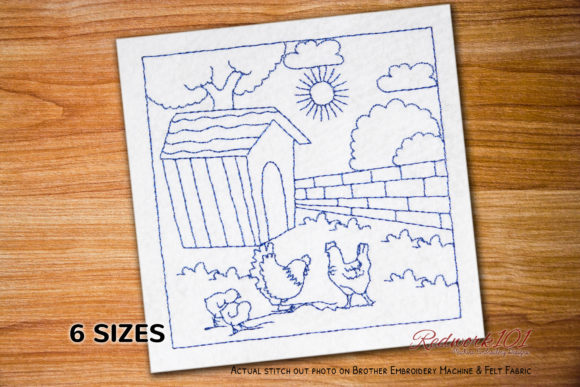
As an embroidery designer preparing for a weekend craft fair, my first task is to review each design not just for its artistic merit, but for its selling power and production practicality. Today, I’m looking at the Hen and Chick Redwork Design. The description notes the box stitch shown is optional, and the outer box color can vary or be skipped. This tells me we have a flexible, core design element focused on the charming bird subject itself.
First Impression & Market Fit
The Hen and Chick Redwork Design immediately lands in the rustic, farmhouse, and soft decorative categories. It evokes a sense of cozy, homemade warmth. This isn’t a bold, modern graphic; it’s a classic, narrative illustration. For customers at a handmade market, this design feels familiar, gentle, and premium in a handmade context. It speaks to buyers looking for kitchen decor, thoughtful gifts, or items with a traditional craft aesthetic. In a booth display surrounded by aprons, tea towels, and pillow covers, this design will stand out as a storytelling piece—it’s not just a pattern, it’s a scene.
Product Performance: Where This Design Excels
Let’s evaluate where the Hen and Chick Redwork Design will perform best as a craft fair product.
Kitchen & Home Textiles
This is the natural home for this design. Embroidered on a tea towel or apron, it becomes a functional piece of art. The redwork style (typically single-color outline stitching) offers excellent clarity against linen or cotton. On a pillow cover, it creates a focal point without being overwhelming. The optional box stitch frame mentioned in the description could be useful here to give the design a finished, intentional look on a larger item like a pillow.
Bags & Portable Items
On a tote bag or market bag, the design works well as a medium-sized accent, not too small to be lost, not too large to dominate the bag’s structure. For a small fabric pouch, it becomes a delightful detail that elevates a simple product. The farmhouse vibe aligns perfectly with the handmade, natural feel of these items.
Patches & Caps
As an embroidered patch, this design requires careful consideration. The tiny details of the hen and chicks need to be evaluated for stitch density—if the design file has very fine lines, they might not translate clearly to a small patch size. On a cap, the curved surface can distort designs; the optional box might help contain the image, but the core bird illustration must be tested on scrap fabric first.
Practical Production & Selling Points
Turning a digital embroidery file into a sellable handmade product requires a disciplined review.
Understanding & Appeal at a Glance
The Hen and Chick Redwork Design is easy to understand. Customers will recognize it instantly as a mother hen with chicks, which is a universally appealing image. This speeds up buyer engagement at a busy booth. It works as both a small accent and a larger focal design, depending on the product scale.
Photography for Online Sales
For Etsy sellers and digital sellers using printable mockups, this design photographs well. The clear outline and likely lower stitch count (redwork often uses fewer thread colors) means it won’t look muddy or overly textured in product photos. Contrast is key: always test thread colors against your actual fabric colors, especially for online listings where color accuracy matters.
Batch Production & Repeatability
For batch producing items like sets of tea towels or tote bags for a craft fair, this design is promising. Redwork designs are often quicker to stitch than multi-color, filled designs. However, you must check the stitch density in the embroidery file. Too dense on a textured towel or thick fabric like a tote bag canvas, and it can pucker. Always use the appropriate stabilizer and confirm the recommended hoop size before running multiple copies.
Careful-Use Notes for the Craft Fair Maker
Here are specific considerations before you start stitching.
- Small Sizes & Clarity: If you plan to miniaturize this for a patch or cap badge, inspect the design file for extremely small details. Chick outlines may lose definition.
- Dark Fabrics: Redwork traditionally uses a red or dark thread on light fabric. On dark fabric, you’ll need to switch to a light thread, which changes the classic “redwork” look but can still be effective.
- Texture Challenges: On heavily textured tea towels or nappy fabrics, the clean lines of the design can get interrupted. A good stabilizer and possibly a slightly larger stitch scale can help.
- The Optional Box: The description says the box stitch color is often different and can be skipped. Consider skipping it for a more minimal, modern take on the rustic design, or use it to frame the design on items like pillow covers where a bordered look is desirable.
Impact on Booth Success & Brand Value
How does the Hen and Chick Redwork Design affect your overall craft fair presence?
It enhances visual appeal by adding a thematic, heartwarming option to your product range. It grabs customer attention from those drawn to animal motifs and rustic decor. It increases perceived product value because a well-executed embroidery design on a functional item feels special. It showcases handmade quality beautifully. For brand consistency, if your shop leans toward farmhouse or cozy kitchen aesthetics, this design is a perfect fit.
In your booth display, create at least one real, physical mockup—an actual embroidered tea towel or tote bag—to show the texture and quality. This engages buyers more than a digital image. A sample lets them touch the stitches and imagine the product in their home.
Final Designer Notes Before Production
My professional checklist before I stitch this design for commercial embroidery products:
- Always test the design on scrap fabric identical to my final product fabric.
- Check thread contrast thoroughly—try both light and dark backgrounds.
- Review spacing and scale for each intended product type (tote vs. patch).
- Confirm the commercial licensing of the digital embroidery file before selling any finished products. The description does not specify license terms; this is a critical step.
- Inspect stitch density by running a test stitchout. Look for potential puckering on the final materials.
- Compare fabric colors in natural booth lighting to ensure the design pops.
- Plan my production batch sizes based on this test data and the craft fair demand I anticipate for bird-themed embroidery.
The Hen and Chick Redwork Design is a strong contender for your craft fair lineup. Its thematic charm, production flexibility, and clear visual story make it a reliable choice for engaging customers and creating sellable handmade products. With careful preparation and testing, it can become a staple in your collection of small shop products.