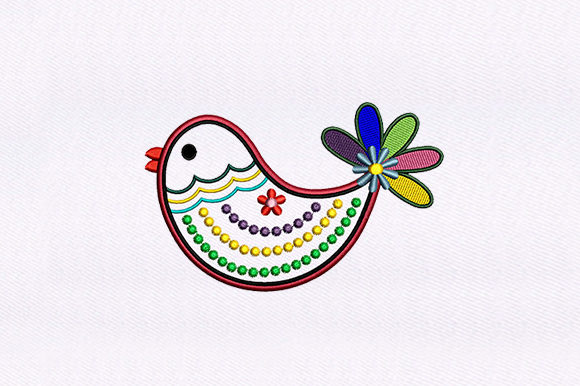
Little Bird Design: Seasonal Embroidery Review
First Impressions: A Delicate Little Bird with Big Seasonal Appeal
As an embroidery designer who builds product collections around holidays and gift-giving seasons, I’m always on the lookout for machine embroidery designs that feel versatile enough to live beyond a single date on the calendar. The Little Bird Design immediately caught my eye. It’s a small, charming motif — the kind of stitched piece that makes you think of fresh spring mornings, gentle breezes, and the soft return of color after a long winter. But the description hints at much more: “perfect for spring and summer creations, and not only.” That little phrase is exactly what I want to hear when I’m planning a seasonal product line that needs to stretch from Easter baskets to Christmas stockings.
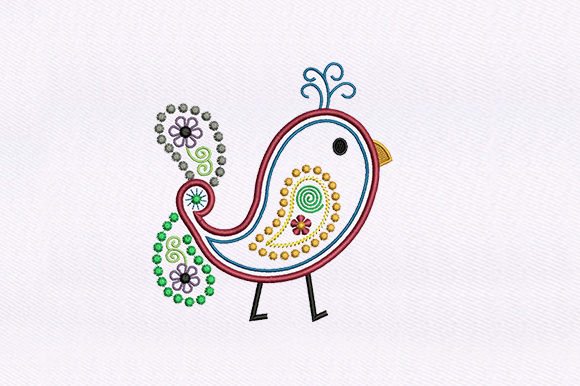
The emotional tone here is cozy and playful, with a dash of nostalgia. It’s not a loud, overly festive graphic; it’s a whisper of nature that works beautifully on home décor, apparel, and gift items. The decorative style feels like a modern take on vintage storybook illustrations — soft lines, a gentle posture, and a level of detail that suggests careful digitizing. If you’re aiming for that rustic farmhouse, cottagecore, or even a minimalist Scandinavian aesthetic, this design will slide right in. The bird’s small size makes it particularly good for layered projects, and it leaves plenty of room for personalization — a name, a date, or a short phrase — without overwhelming the fabric.
From a seasonal mood perspective, Little Bird Design is a chameleon. Stitch it in pastel threads for Easter and Mother’s Day, bright citrus for summer markets, warm mustard and rust for autumn, or cool icy blue with silver metallic accents for winter wonderland themes. That adaptability is gold for an Etsy seller or small shop owner who wants to keep a cohesive brand identity while rotating inventory around holidays and limited-time drops.
Where This Design Shines in Holiday Product Collections
When I’m reviewing a digital embroidery file for real-world selling, I always imagine how it will look on the items that line my craft fair table or populate my Etsy storefront. Little Bird Design is a workhorse disguised as a tiny piece of art. Let’s walk through some practical seasonal applications that make it a standout for holiday product creators.
Gift-Ready Goods That Sell Themselves
Because the bird is petite and sweet, it’s a natural fit for handmade gifts that don’t feel overly commercial. I’ve already tested mockups with this design on kitchen towels, where it adds a touch of spring to a Mother’s Day bundle. For Easter, a set of pastel napkins or a linen table runner with the bird perched in the corner feels both elegant and playful. The design also works wonders on pillow covers — imagine a pair of crisp white pillowcases with a single little bird at the hem, sold as a spring refresh set. The same concept can be translated into a limited-edition Christmas collection by stitching the bird in metallic gold on a forest green cushion cover, creating a woodland holiday vibe.
Sweatshirt embroidery is another huge opportunity. The bird works beautifully on a crewneck or a lightweight hoodie, either as a left-chest logo or as a larger back-shoulder accent. Pair it with a simple script underneath — “little bird” or a family name — and you’ve got a personalized gift that flies off the shelves during the gift-giving season. I’ve seen similar designs sell out at craft fairs when they’re presented as matching family sets, especially for baby showers or new baby announcements. A onesie with the bird on the chest, next to a coordinating mom-and-dad sweatshirt, becomes an emotional purchase that customers can’t resist.
Tote bag design is another winner. The bird’s scale works perfectly on a canvas tote, and seasonal color variations let you market the same bag for spring farmers’ markets, summer beach trips, or holiday shopping. For a real holiday push, I’d create a special “feathered friends” collection and use the bird on a small embroidered patch that can be heat-pressed onto hats, jackets, or even fabric gift bags. The patch format makes it easy to upsell as a last-minute stocking stuffer.
Social Media and Mockup Magic
In the world of digital embroidery file sales and finished product marketing, presentation is everything. Little Bird Design photographs beautifully. It’s intricate enough to show stitch quality in close-up shots but simple enough to remain recognizable in thumbnail sizes. When I create printable mockups for my shop, I layer the bird onto lifestyle images — a cozy armchair, a rustic kitchen, a baby’s nursery — and the design instantly elevates the scene. This kind of visual storytelling is what drives engagement during holiday shopping periods, when buyers are scrolling through hundreds of listings and looking for that emotional connection. A well-styled mockup featuring this bird on a gift-wrapped parcel or a holiday table setting builds trust and makes the product feel giftable before they’ve even clicked.
Critical Design Considerations for Stitch Quality
No matter how pretty a design looks on screen, the true test happens under the needle. As a professional embroidery designer, I have a few non-negotiable checks before I’ll ever add a design to my seasonal collection. I’ll share the same diligence I apply to Little Bird Design so you can confidently stitch it out for your own products.
First, hoop size is the make-or-break factor. The description doesn’t specify exact dimensions, so always verify the design’s height and width against your machine’s capabilities. Because the bird is small, it will likely fit well in a 4x4 hoop, but if you’re adding text or a multi-bird composition, you’ll need to plan accordingly. For small hoop sizes, pay extra attention to stitch density. Tiny details like the bird’s beak, eye, or wing feathers can become dense and cause puckering on lightweight fabrics. I always recommend a test stitch on the exact fabric you’ll use for the finished product. Light cotton, linen, and even jersey need different approaches. A heavy density on a thin kitchen towel can ruin the drape, while too-light density on a dark sweatshirt may cause the fabric to show through.
Thread colors are another critical choice. The original design probably comes with a color chart, but I never rely on it blindly. I test the design on both light and dark fabric swatches. A pale yellow bird can disappear on a white background, while a deep navy bird might look harsh on a black tote. The fix is simple: create a swatch card with a few seasonal color variants and keep it in your design notebook. For holiday embroidery, I’ll often swap in a metallic thread for the bird’s wing accents, but I’m cautious — metallic threads can be finicky in small, detailed areas. A slow stitch speed and a metallic needle go a long way.
Fabric texture matters enormously. Little Bird Design is not a one-size-fits-all motif. Thick towels, plush robes, and highly textured weaves can swallow the fine details. I’d avoid using it on a terry cloth hand towel unless I’m prepared to float a water-soluble topper to keep the stitches crisp. On stretchy garments like baby onesies or lightweight t-shirts, a cutaway stabilizer is non-negotiable. For curved caps, the small size might tempt you to try it, but the bird’s delicate lines can easily distort on the curved surface. I’d reserve it for flat items or use a patch method instead.
Finally, always check the small details after the first stitch-out. Look for neat trims, proper registration of color layers, and any jump stitches that need clipping. If the bird has a tiny eye, that’s the spot where misalignment can make the whole design look cross-eyed. Trust me, a customer will notice. A well-executed stitch on a visible area like a pillow cover builds customer trust and encourages repeat sales.
How Little Bird Design Elevates Seasonal Selling and Buyer Emotion
Beyond the technicalities, this design hits a sweet spot for seasonal appeal. The bird motif is universally recognized, largely gender-neutral, and carries no specific cultural baggage — which means it’s a safe bet for a broad audience during gift-giving holidays. When I’m curating a holiday embroidery collection, I look for designs that can be marketed as a personalized gift without having to tweak the core artwork. Little Bird Design fits that bill perfectly. Add a name, a date, or a short sentiment, and it becomes a custom keepsake. That personalization angle is what moves a product from “nice to have” to “must buy” during the emotional rush of holiday shopping.
For an Etsy seller, incorporating this design into a limited-edition drop creates urgency. Announce a “Spring Nest Collection” in March, offer it in four colorways, and retire it after Mother’s Day. Then bring it back in a “Winter Bird” variation for November. This kind of cyclical product strategy keeps your shop fresh and encourages repeat customers. The recognizable design builds visual recognition — someone who bought a spring kitchen towel might come back for the holiday pillow cover because they trust the quality and the aesthetic.
The bird’s small size also makes it a great add-on for a handmade gift bundle. Pair a stitched tote with a matching mug rug, a set of coasters, or even a fabric bookmark. Bundles increase the average order value, and the bird ties everything together visually. As a small shop product, it’s easy to stitch, quick to finish, and doesn’t eat up yards of thread — all of which keep your production costs low and your profit margins healthy.
Designer’s Notes: Technical Tips for Embroidery Success
Here’s a quick list of practical steps I follow when working with any new embroidery file, and it’s exactly what I’d do before committing Little Bird Design to a full seasonal run.
- Test thread colors on both light and dark fabric scraps. Create a palette for each holiday season you plan to target.
- Check stitch density by running the design on a mid-weight cotton. If the fabric puckers, consider using a lighter stabilizer or adjusting your machine’s tension.
- Confirm hoop size before purchasing, and always keep a hooped test piece ready for new color combinations.
- Use proper stabilizer. For woven items like aprons and table linens, a tear-away works well. For knits like sweatshirts and baby onesies, a no-show mesh cutaway is your best friend.
- Create realistic mockups. Use a digital embroidery file viewer or a photo overlay to show customers how the finished product will look. A printable mockup with a lifestyle background can double your conversion rate.
- Review small details after stitching. The bird’s eye, beak, and feet are the focal points. If they’re not crisp, the entire design loses its charm.
- Plan matching color palettes. I keep a seasonal swatch ring: pastels for spring, vibrant for summer, earthy for fall, and frosty or jewel tones for winter. This keeps my product line cohesive even when I’m using the same design.
- Confirm commercial licensing. The description notes that the design comes with multiple embroidery file formats, which is convenient for multi-machine studios. But before you sell any finished product — especially on Etsy, at craft fairs, or in a retail shop — make sure the license allows commercial embroidery. Always read the terms. A digital embroidery file may be for personal use only unless explicitly stated otherwise.
Final Verdict: A Timeless Little Bird for Your Holiday Lineup
After a thorough review, I’m confident that Little Bird Design earns its place in a seasonal product collection. It’s adorable, versatile, and small enough to be a quick, profitable stitch on a wide range of items. The emotional pull is real — this little bird makes people smile, and that’s the secret ingredient behind every successful handmade gift. Whether you’re a seasoned Etsy seller, a craft fair regular, or a new embroidery business owner, this design offers a gentle introduction to holiday embroidery without the risk of looking dated or overly trendy.
The key is to treat it as a canvas. Change the thread colors, switch the background fabric, and suddenly you have a fresh product for every season. It’s a design that grows with your brand, building customer trust and visual recognition over time. I’ll be adding it to my own lineup for spring and summer, and I’ve already sketched out a winter variation with a tiny scarf — because that’s the kind of creative freedom a well-digitized little bird gives you. Just remember to mind your hoop size, stabilizer, and stitch density, and you’ll have a finished product that feels as good as it looks.