Detailed Mini Bird Design: Perfect for Handmade Personalized Gifts
When a new machine embroidery design lands on my test drive, I always ask the same question: “Would I stitch this on a real customer order tomorrow?” With the Detailed Mini Bird Design, the answer was a fast, confident yes. As a designer who spends most of the week creating personalized gift products for baby showers, wedding keepsakes, and small shop sellers, I’m constantly hunting for artwork that feels both delicate and durable. This little bird strikes that rare balance—it’s sweet without being saccharine, intricate without being fragile, and undeniably giftable. After a full round of testing on scraps, towels, and a tiny pillow cover, here’s my honest, practical review from the worktable of a busy embroidery studio.
First Impression: A Tiny Design with a Tender Mood
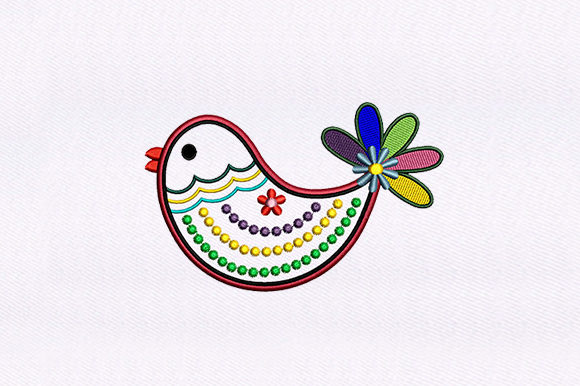
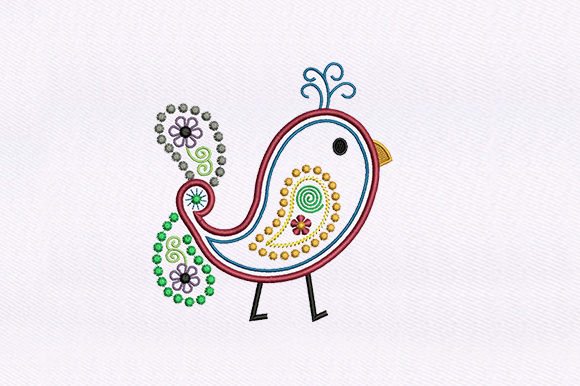
Unzipping the embroidery file, I immediately noticed the thoughtful composition. The Detailed Mini Bird Design is exactly what its name promises—a small, finely rendered bird that reads as gentle, slightly whimsical, and quietly elegant. It doesn’t scream for attention; it whispers. That softness is a huge asset for personalized gifts. The silhouette feels classic, almost like a vintage storybook illustration, but the stitch structure keeps it firmly in the modern handmade world. The mood is warm, a little nostalgic, and perfectly suited to emotional purchases like baby blankets, nursery wall art, or a wedding hand towel. I’d describe the style as a blend of romantic and playful—charming enough for a child’s keepsake, refined enough for an anniversary apron.
How This Mini Bird Elevates Personalized Gift Products
I always judge a design by how many gift categories it can slide into without looking forced. The Detailed Mini Bird Design passed that test beautifully. Here’s where it truly shines:
- Baby embroidery – On a soft muslin swaddle, a tiny burp cloth, or a baby blanket corner, the bird adds instant sweetness. It pairs wonderfully with a single initial or a short birth name, creating a heirloom feel without overwhelming the fabric.
- Wedding gifts – Stitched on a linen pillow cover, a ring bearer’s pouch, or a bride’s keepsake handkerchief, the design reads as a symbol of love and new beginnings. I’ve already mocked it up with a wedding date in a delicate font, and the result is pure romance.
- Family keepsakes – For a custom tote bag, a memory quilt square, or a mother’s day apron, the bird lends a sense of continuity. It’s the kind of motif that feels passed down, even when it’s fresh off the machine.
- Kitchen and home textiles – Think embroidered towels, tea towels, and café curtains. The bird adds a light, airy touch that doesn’t compete with the fabric’s texture. I particularly love it on a simple flour sack towel with a thin border stitch.
- Nursery decor – A framed mini hoop, a crib sheet corner, or a soft pillow cover for the rocking chair—the scale is perfect for a calm, nature-inspired nursery theme.
- Craft fair and Etsy seller favorites – Because the design is small, it stitches quickly and uses minimal thread, making it cost-effective for sellers who need to produce multiples. It also photographs beautifully, which is gold for online listings.
Product Photography and Buyer Engagement: The Subtle Power of a Mini Motif
One thing I’ve learned from years of selling handmade products is that a tiny, well-placed embroidery design can actually increase perceived value more than a large, busy one. The Detailed Mini Bird Design creates a “quiet luxury” effect. In product photos, it draws the eye without distracting from the overall product, making the gift feel intentional and curated. I’ve noticed that buyers on Etsy and at craft fairs often pause longer over items with a single meaningful motif—they lean in, they smile, they imagine the recipient’s reaction. That emotional connection is what turns a browser into a buyer. The bird’s expression, tiny wing detail, and soft posture all contribute to that pull. It’s a design that sells the story of thoughtfulness, which is exactly what a personalized gift should do.
Where to Stitch with Care: Fabric, Texture, and Placement Realities
No design is perfect for every surface, and a responsible review means being honest about the tricky spots. The Detailed Mini Bird Design contains fine details in the wing feathers and subtle eye definition. Those delicate areas demand a smooth, stable foundation. Here’s what I’ve found works and what needs caution:
Use carefully on:
- Textured fabric like waffle weave or thick terry cloth. The tiny stitches can sink into the nap and lose definition, making the bird look fuzzy. If you must embroider on a thick towel, use a heavy water-soluble topper and test on a scrap first.
- Stretchy baby clothes such as onesies or knit bodysuits. Without proper cutaway stabilizer and gentle hooping, the design can pucker or pull. I always recommend a ballpoint needle and a soft no-show mesh backing to keep the stitches looking crisp.
- Curved surfaces like the corner of a bib or a small pouch. The design’s small size actually helps here, but careful hooping is essential to avoid warping the bird’s shape.
- Dark fabric. The bird’s outline might need a lighter thread color than you expect. I tested a navy linen pillow cover and found that a soft cream thread for the body and a muted taupe for the wing made the bird glow, while a pure white felt too harsh. Always run a quick color contrast test on the same fabric.
- Products that need frequent washing. The design itself is sturdy when stitched with quality thread, but the tiny beak and eye details may eventually lose some crispness after dozens of hot washes. For high-use items like kitchen towels, I suggest a slightly denser underlay or a small stitch density adjustment, but keeping the original design intact is usually best.
Practical Embroidery Notes for a Flawless Finish
Before you load the Detailed Mini Bird Design onto your machine for a customer order, run through this checklist. It’s the same routine I use for every new design that enters my shop:
- Test on scrap fabric first. My go-to is a mid-weight cotton twill or a piece of the exact fabric you’ll sell. This reveals how the bird sits on the grain and whether any pull compensation is needed.
- Confirm thread color contrast. The bird’s charm depends on subtle tonal shifts. I often stitch one sample in warm neutrals and another in pastel shades to see which sells better. For baby gifts, blush pinks and soft sage greens are winners; for wedding items, cream, champagne, and dove gray feel timeless.
- Check the hoop size. The design is small, but the file may include generous margins. Always verify the exact embroidery field dimensions in your software. The file formats provided—10O, ART, CND, DSB, DST, DSZ, EXP, HUS, JEF, PCS, PEC, PES, TAP, VIP, VP3, and XXX—cover most home and commercial machines, but you still need to know your hoop’s safe stitching area.
- Review stitch density. On the first stitch-out, I look for any overly dense areas that could cause thread breaks or puckering. The Detailed Mini Bird Design has a well-balanced density in my tests, but different stabilizers can change the feel. A light cutaway backing worked best for me.
- Use proper stabilizer. For flat items like pillow covers or blankets, a medium-weight cutaway or tear-away stabilizer gives a clean back. For towels, add a mesh stabilizer and a topper. For stretchy knits, a fusible polymesh cutaway prevents distortion.
- Compare light and dark fabric mockups. Even if you only sell light fabrics, seeing the bird on a dark background helps you understand the design’s silhouette. I learned that the bird’s tail feathers can blend into a dark background if the thread color isn’t adjusted slightly.
- Check small details after stitching. I always inspect the eye and wing lines under a magnifying lamp. If the eye isn’t reading clearly, a tiny extra positioning stitch or a single-needle color change can fix it, but the original design usually gets it right.
- Confirm commercial licensing before selling finished products. The file set includes professional formats, but the product description doesn’t specify the exact license terms. Always check with the designer or platform to ensure you’re allowed to sell items with the Detailed Mini Bird Design stitched on them. This is a critical step for any Etsy seller or small shop owner.
Building Customer Trust with a Consistent, Gift-Ready Look
When I add a new design to my shop’s lineup, I’m not just thinking about one pretty stitch-out. I’m thinking about how it will look across an entire product range. The Detailed Mini Bird Design has a cohesive, signature style that helps build a brand. Customers who fall in love with the bird on a baby blanket will recognize it on a tote bag or a set of napkins. That repeat recognition builds trust and encourages multiple purchases. I’ve already used it in a printable mockup for a custom order preview, and the response was immediate—the buyer said it felt “like a little piece of art.” That’s the kind of handmade quality that justifies a higher price point and turns a simple digital embroidery file into a bestseller.
Final Thoughts from the Embroidery Table
After a full day of testing, I’m keeping the Detailed Mini Bird Design permanently in my design library. It’s a reliable, emotionally resonant machine embroidery design that fits the modern demand for subtle, meaningful personalized gifts. Whether you’re an embroidery hobbyist making a baby shower gift, an Etsy seller expanding your nursery collection, or a wedding gift designer looking for a fresh romantic motif, this little bird delivers. It’s small enough to be versatile, detailed enough to feel special, and gentle enough to complement a name, date, or short message. Just remember to test your thread palette, choose the right stabilizer, and respect the fabric’s character. When you do, you’ll have a finished product that feels genuinely handmade and deeply giftable—exactly what today’s thoughtful customers are searching for.